Blog / Guide
Write to UsWhat Is a Mobile Proxy?
February 18, 2026
Guide
At some point, many people working with automation, data collection, data scraping, or marketing hear the term mobile proxy and assume it is just another type of proxy. In reality, mobile proxies work very differently from residential or datacenter proxies, and that difference is exactly why they are so valuable.
Mobile proxies are often used when accuracy, trust, and access matter more than raw speed. They are especially popular in SEO, ad verification, social media management, and mobile-first platforms.
How Mobile Proxies Work
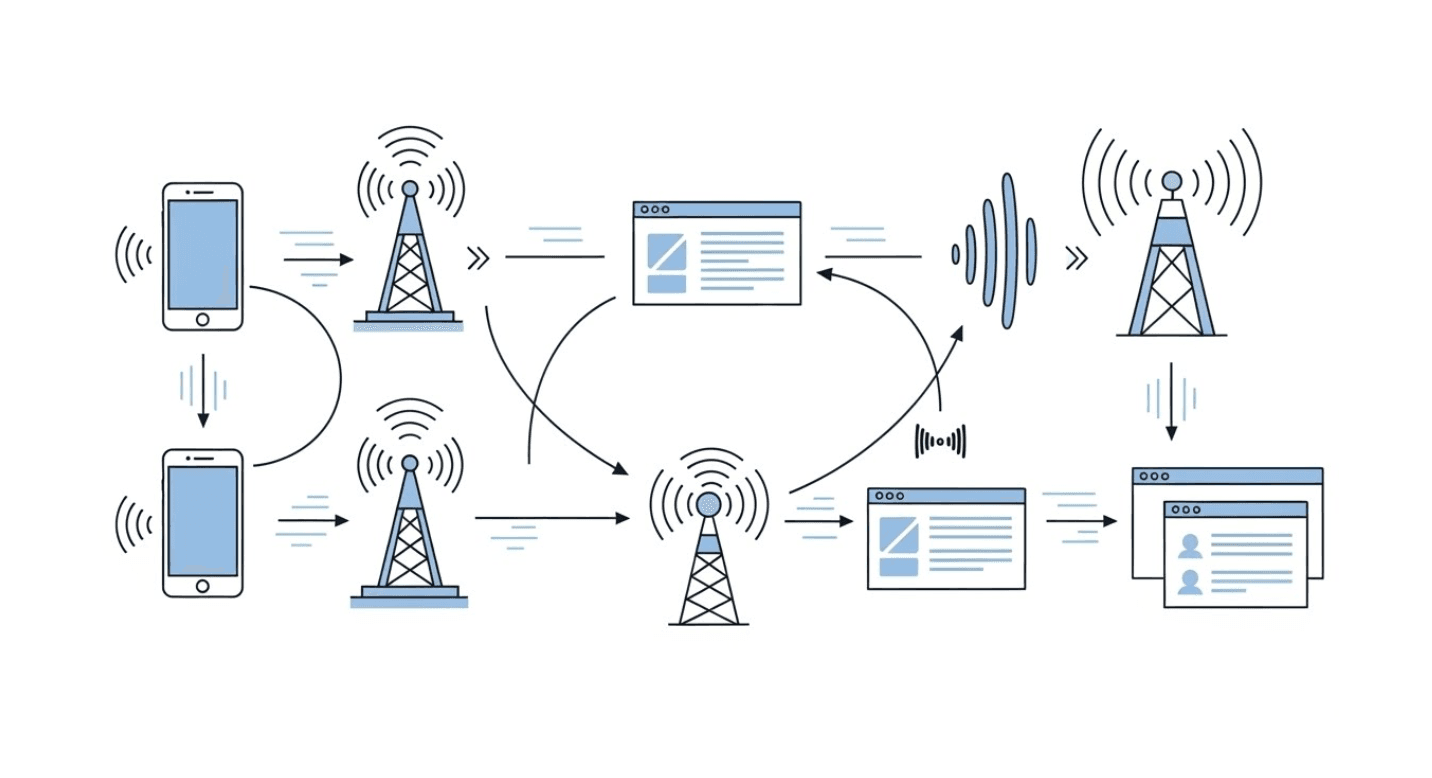
A mobile proxy routes your internet traffic through an IP address assigned to a real mobile device, usually by a cellular carrier such as 4G or 5G networks. The IP assigned is provided dynamically by the cellular network, allowing for frequent changes and increased anonymity. These IPs are shared by thousands of users at the same time, which makes them highly trusted by websites and platforms.
From a website's perspective, traffic coming from a mobile proxy looks like it belongs to a normal smartphone user browsing the internet on a mobile network. The proxy IP is seen as authentic because it comes from real mobile IPs on real mobile networks, making mobile proxies much harder to detect or block compared to other proxy types.
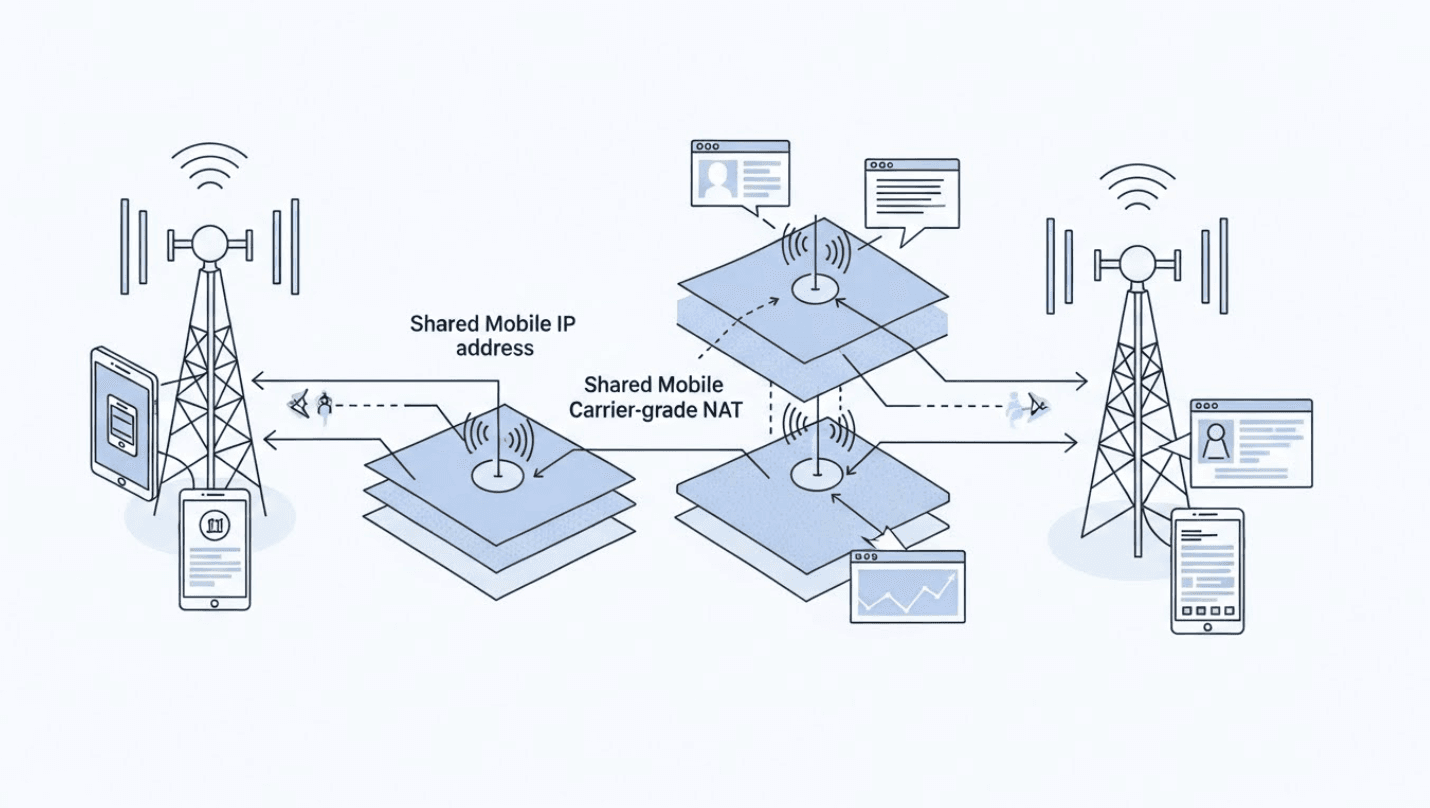
Mobile Network and IP Addresses
Mobile proxies operate by channeling your internet traffic through real mobile devices connected to cellular networks, using IP addresses assigned by mobile network operators. Unlike traditional proxies, a mobile proxy server leverages the infrastructure of mobile carriers to provide mobile IP addresses that are shared among multiple users. This unique setup makes it extremely difficult for websites to pinpoint or block individual users, as the same IP address can be used by several mobile devices at once.
When you use a mobile proxy, your connection is routed through a mobile device, often a smartphone or a mobile data dongle, connected to a mobile network. The mobile network operator assigns an IP address to this device, and thanks to a technology called carrier-grade NAT (Network Address Translation), that single IP address can be shared by many users simultaneously. This means that your internet activity blends in with regular mobile users, making it nearly impossible for target websites to distinguish your traffic from genuine mobile internet activity.
A key advantage of mobile proxies is their ability to rotate IP addresses dynamically. As mobile devices connect, disconnect, or move between cell towers, the mobile network carrier frequently assigns a new IP address. Mobile proxy providers harness this natural IP rotation to ensure that your online activity always appears fresh and originates from different locations. This is especially valuable for managing multiple social media accounts, web scraping on mobile websites, ad verification, and accessing online services that enforce strict anti-bot measures.
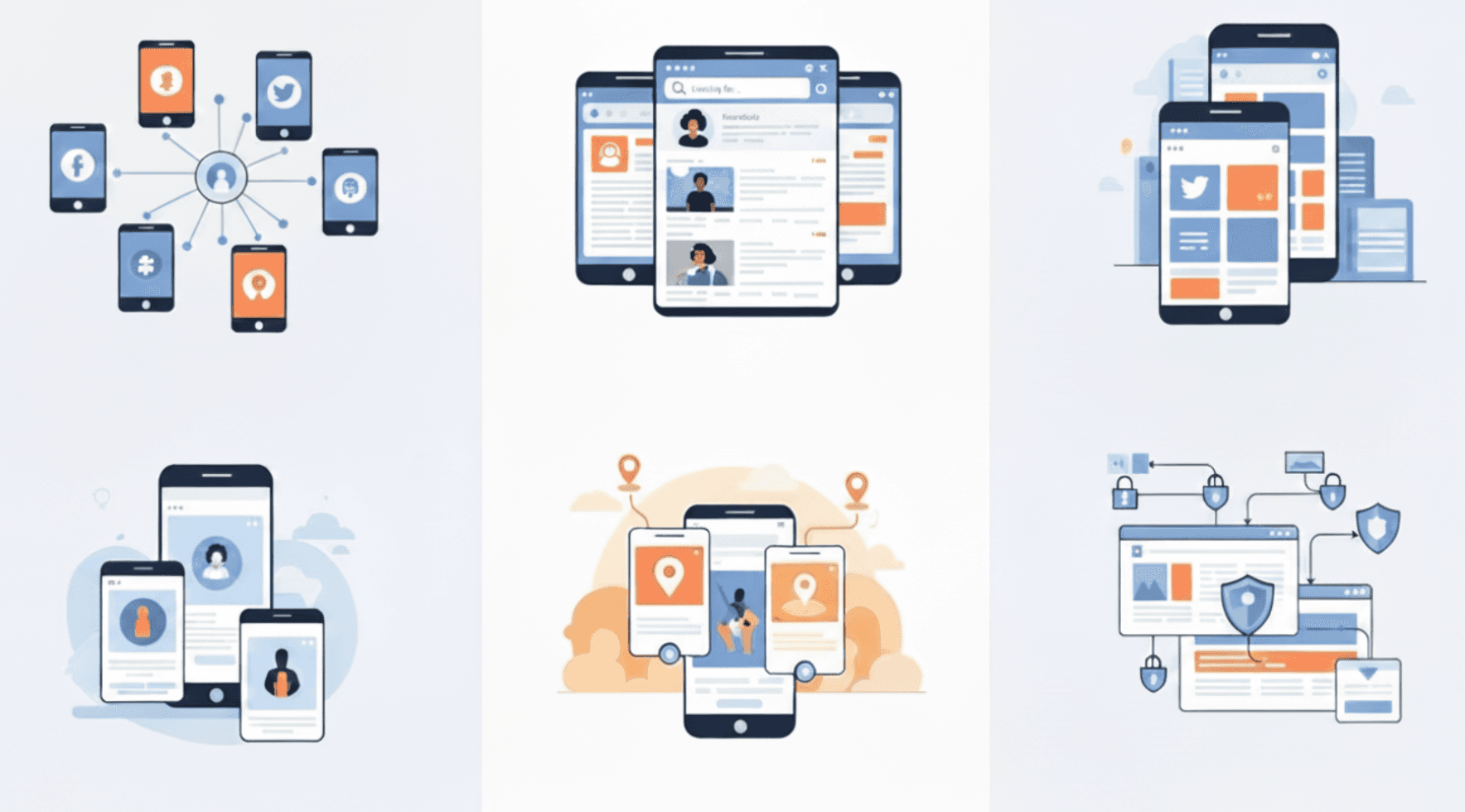
How Mobile Proxies Are Different From Other Proxies
The biggest difference is trust level.
Datacenter proxies come from servers, which websites can easily identify. Residential proxies use home internet connections, which are more trusted. Mobile proxies go one step further, because mobile carrier IPs are constantly rotating and shared across many real users.
This constant rotation happens naturally. Mobile carriers regularly change IP addresses for devices as they move between towers or reconnect to the network. Because of this, mobile proxies rarely get flagged or banned.
Common Use Cases for Mobile Proxies
Social Media Management
Mobile proxies are widely used for managing multiple social media accounts. Platforms like Instagram, TikTok, and Facebook trust mobile traffic far more than server-based connections. Using a mobile proxy reduces the risk of account verification requests, temporary locks, or bans.
Mobile SEO and SERP Testing
Mobile search results can differ from desktop results. With mobile proxies, SEO professionals can see how pages rank for users searching from mobile devices, which is critical now that mobile-first indexing is the standard.
Ad Verification and App Testing
Advertisers use mobile proxies to verify how ads appear on mobile devices in different regions. App developers also rely on mobile proxies to test app behavior without triggering fraud detection systems.
Web Scraping on Strict Platforms
Some websites aggressively block datacenter and even residential proxies. Mobile proxies are often the only reliable option for collecting data from these platforms without interruptions.
Are Mobile Proxies Better Than Residential Proxies?
Not necessarily better, but different.
Residential proxies are usually faster and cheaper, making them ideal for large-scale SEO tasks, scraping, and automation. Mobile proxies are slower and more expensive, but they offer a higher level of trust.
Many professionals use both. Residential proxies for scale and efficiency, and mobile proxies for sensitive platforms or mobile-specific tasks.
Are Mobile Proxies Safe to Use?
Yes, when sourced from a reputable provider. Mobile proxies are intended for legitimate use cases such as testing, research, and account management.
Using low-quality or overloaded mobile proxies can cause instability, which is why provider quality matters more here than with other proxy types.
Mobile Proxies: Key Takeaways
Mobile proxies exist for situations where other proxies fall short. They are not meant to replace residential or datacenter proxies, but to complement them.
If your work depends on mobile platforms, strict websites, or high-trust environments, mobile proxies offer a level of access that is difficult to achieve any other way.
Choosing the right proxy type is less about trends and more about understanding how platforms see your traffic. In many cases, mobile proxies provide the closest thing to real user behavior. At LightningProxies, we provide mobile proxy solutions that power serious web operations.
Mobile Proxy FAQs
What exactly is a mobile proxy?
Why are mobile proxies harder to block?
When should I use a mobile proxy instead of a residential proxy?
Are mobile proxies slower than other proxies?
How does IP rotation work with mobile proxies?
Are mobile proxies safe and legal to use?

November 11, 2025
Guide
Telegram Proxy: The Quick Fix When Telegram Just Won't Connect
Learn how Telegram proxies can fix connection issues instantly. Discover MTProto and SOCKS5 proxies, setup guides, and best practices for reliable Telegram access with LightningProxies.
September 29, 2025
Guide
What Is a Residential Proxy: Complete Guide 2025
Learn everything about residential proxies: how they work, types, benefits, and use cases for web scraping and privacy.
October 15, 2025
Guide
Datacenter vs Residential Proxies
Understand datacenter vs residential proxies: how they work, pros/cons, IP rotation, and when to use each for SEO and other tasks.